

Checklist for Event Merchandise Printing That Actually Sells
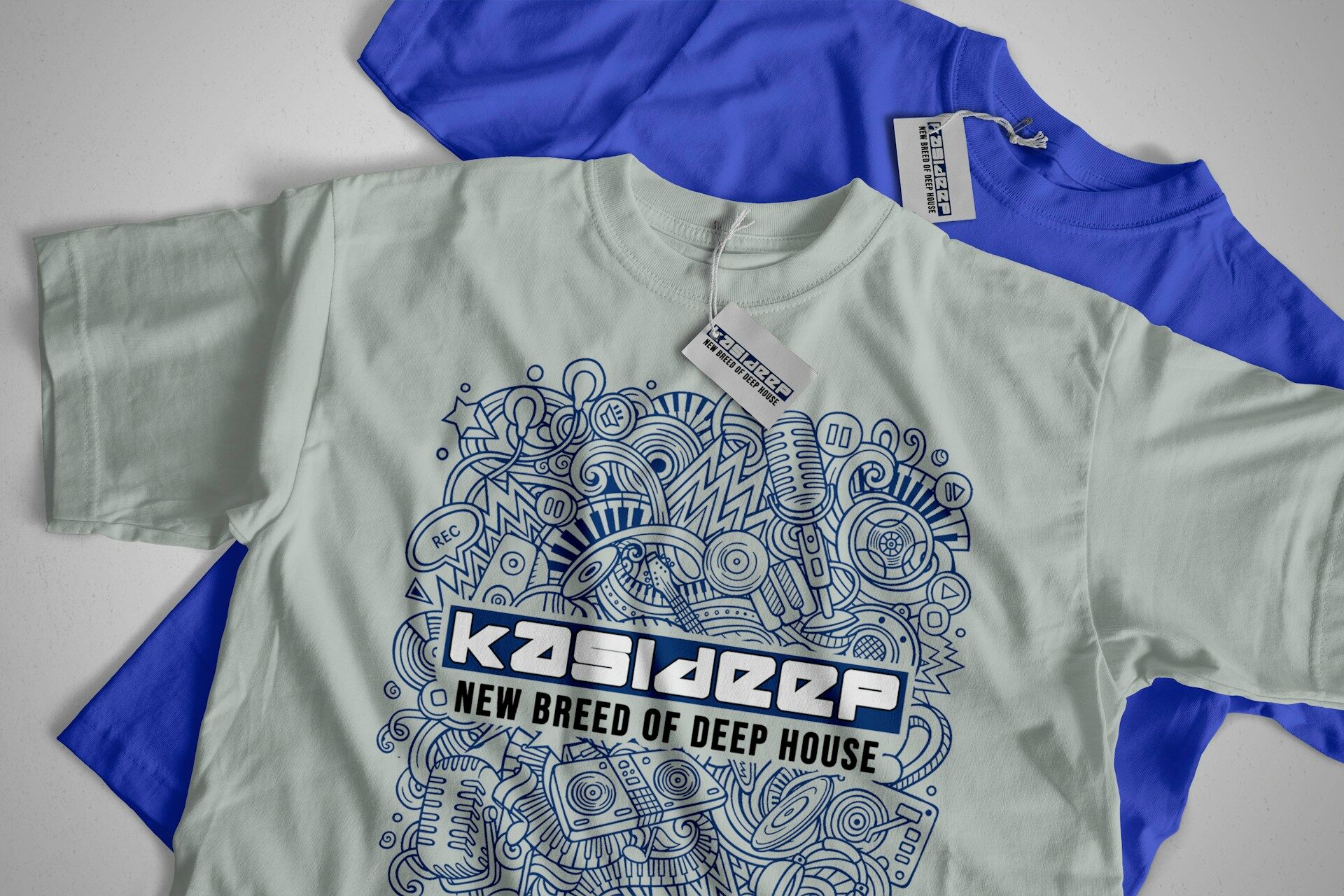
Make Your Event Merch Table the Busiest Spot in the Room
Some event merch sells out before lunch. Other tables sit there all day while people walk straight past. The difference is almost never luck. It comes down to planning the right garments, the right designs, the right setup, and showing them clearly.
Common headaches are easy to spot: wrong garment choice for the weather, cluttered artwork, a last-minute rush, and no real plan for sizes. With a simple checklist and clear visuals, you can avoid all of that and create event merchandise that people actually want to buy and keep wearing long after the day is over.
Picture this side-by-side example (great to show in a photo or quick sketch mockup):
- Table A: clear signs, neat stacks, bold designs, and popular pieces like hoodies and beanies on mannequins or hangers.
- Table B: random items, messy piles, and confusing art with no pricing visible.
Our goal here is to help you set up like Table A.
1. Start with the Event, Not the T-Shirt
Before choosing colours and logos, get clear on what the merch is meant to do. Use these questions as a quick Event Merch Brief Template.
Decide the Main Purpose:
- Are we raising money, building brand awareness, or saying thanks to volunteers?
- Is this merch for sale, giveaways, sponsor packs, or team uniforms?
- Is this meant to feel premium and limited, or open to everyone?
One-page Merch Brief (Copy-paste Template):
- Event name and date:
- Event location:
- Goals for the merch (fundraising, awareness, thank-you gifts, uniforms, etc.):
- Who will wear it (attendees, staff, volunteers, sponsors):
- Budget range:
- Key deadlines (design, approval, production, delivery):
Add this brief as the first page in your job folder or email to your decorator.
Know Who Is Wearing It
Think about who is actually pulling the hoodie or tee over their head:
- Age range and gender mix
- Dress style: corporate, casual, sporty, streetwear
- Climate and venue: indoor conference, outdoor winter sports day, music festival, school fair
For example, a local community fun run in early autumn usually suits lightweight layers people can move in, rather than heavy fleece that feels too hot mid-race and too cold after.
Match Product Type to Purpose
Use this as a quick Product Selection Guide:
- Tees: general events, charity walks, large groups
- Hoodies and crews: winter events, sports finals, late-night festivals
- Polos: conferences, staff uniforms, more polished looks
- Caps and beanies: outdoor events and add-ons at the table
- Tote bags: conferences, markets, sponsor packs
- Stubby holders and lanyards: easy add-ons, giveaways and sponsor items
For winter events, simple Starter Bundles work well, such as:
- Hoodie + beanie
- Tee + zip hoodie
- Tote + cap at registrations
A quick sketch or photo of a "bundle" display on your table helps staff understand how to pitch these on the day.
2. Choose Garments and Products People Actually Want
People buy what feels good on, not just what looks good on a screen. Comfort, fit and feel are big.
Garment Selection Checklist:
- Fabric type and softness
- GSM or weight (suits layering or stand-alone wear)
- Fit style (unisex, relaxed, fitted)
- Colour options that work with your logo and event brand
- Durability (will it still look good after multiple washes?)
Plan Your Size Range
Think about:
- Inclusive sizing wherever possible
- Kids options for family events or club days
- A sensible mix of unisex fits and any women’s cuts you need
Keep your range small and focused. One to three strong items will usually outsell a huge spread of eight or more different products.
For Australian winter events, good core picks include:
- Midweight hoodies
- Crew-neck jumpers
- Long-sleeve tees
- Beanies or cuffed knit hats
Use your brand colours as a guide, but do not force odd colour combos that people would not wear again. Often a few neutral base colours with one strong accent work best. Showing a simple colour-board mockup (e.g. black, grey and one highlight colour) can help committees decide quickly.
Quantity and Size Planning Tool
Start with:
- Expected attendance
- Percentage you think will buy, based on past events
- Budget guardrails
Then apply simple size ratios.
Example starting point for a mixed club crowd:
- XS: 5%
- S: 15%
- M: 30%
- L: 30%
- XL: 15%
- 2XL and above: 5%
Adjust this after each event using your real sales data.
For one-off finals or club runs, aim for a bit more in popular sizes so you avoid turning away your keenest buyers. This also reduces leftover stock, which is better for your budget and avoids waste.
3. Design Merch That Looks Good on You, Not Just on Screen
Big, clear and simple almost always wins. Busy artwork can look nice up close on a laptop, then turn into a blur in a crowd.
Use this Design pass/fail test (print this as a one-page reference beside your designer’s screen):
- Can you read the key text from two metres away?
- Does it still make sense from five metres in a crowd?
- Does it look good in photos on social media?
- Are the main shapes chunky enough to hold up in print or embroidery?
Avoid tiny event dates, tiny taglines and long sponsor lists jammed on the front. Those details can go on the back, on sleeves or on a separate item like a lanyard.
Consider creating simple Before-and-After Visuals:
- Version 1: cluttered art with small text
- Version 2: simplified, bold design
Showing this to your committee or sponsors helps them understand why clean artwork sells better.
Pick the Right Decoration Method
- Embroidery: great for logos on caps, beanies, polos and hoodies when you want a clean, textured look.
- DTF printing: ideal for full-colour art, gradients and bold graphics on tees, hoodies and crews.
- Sublimation: suits all-over prints and many sportswear styles where you want colour edge to edge.
Think about the mix of durability, visual impact and how people will wear the item.
Examples:
- A Melbourne tradies’ golf day: embroidered caps and polos for a more polished, long-wear look.
- A local charity walk around the bay: bright, DTF printed tees that stand out in drone photos and social media posts.
Artwork Prep Checklist for Your Decorator
Your printer will usually need:
- The right file type (vector or high-resolution raster files)
- Correct resolution at print size
- Clear colour notes
- Exact sizing and placement instructions
Simple placements that almost always work:
- Left chest
- Full front
- Full back
- One sleeve
- Cap front
- Beanie cuff
Add labelled front and back mockups with annotations. A quick PDF with arrows and notes (e.g. “Logo 8 cm wide, 6 cm down from collar”) avoids confusion and rework.
4. Logistics, Timing, and On-the-Day Setup
Good planning starts by working backwards from the event date.
Lead Time Checklist (Turn This Into Your Standard SOP):
- ☐ Event merch brief completed
- ☐ Design brief and artwork created
- ☐ Design sign-off from decision makers
- ☐ Samples or digital mockups approved
- ☐ Final quantities and sizes locked in
- ☐ Production window booked
- ☐ Delivery to venue confirmed (local in Melbourne or interstate)
Be aware of busy seasons like winter sports finals, end-of-financial-year events and uni mid-year activities. Booking production early gives you more options and less stress.
Layout: Make Your Table Visually Clear
On the day, layout can make or break your sales. Use a simple Table Layout Sketch or photo example during planning.
Aim for:
- At least one of each item on a clear display (on hangers, mannequins or folded with front design visible)
- Neat stacks behind the table by size
- Simple, large pricing signs
- Obvious size labels on boxes or tubs
Having EFTPOS, QR codes and clean signage for sizes and styles keeps the line moving.
Create a one-page Staff/volunteer Cheat Sheet with:
- Product names and colours
- Fit notes (e.g. “unisex fit, go down one size if between sizes”)
- Prices and bundle deals
This makes it easier for helpers from local clubs or school committees to serve people quickly.
Event Day Merch Kit
Pack this ahead of time:
- Spare bags for purchases
- Extra signs and price cards
- A steamer or lint roller for samples
- Tape, markers and scissors
- A simple float of change if you are taking cash
Clearly labelled boxes by size and product type stop that frantic digging under the table while people are waiting. A quick photo of how you want the back-of-table area organised helps volunteers reset the space if it gets messy.
5. Turn One Event Into Ongoing Merch Wins
Once the event wraps up, do a quick debrief while it is still fresh.
Post-event Review Checklist:
- What sold out first
- What barely moved
- Where you ran out of specific sizes
- Any timing or delivery snags
- Any feedback from staff, volunteers or attendees
Use a simple tracking sheet that lists each product, size, units ordered, units sold and leftover stock. This gives you clear data for next time and helps you avoid over-ordering, which saves money and reduces waste.
Event photos are another useful tool: you can see which items people actually wore during and after the event. For example, one local footy club found that a simple black hoodie with a bold chest print showed up in far more photos than their brighter option, so they made it their standard winter piece.
Use Data to Improve Each Season
Use your information to plan smarter future runs. You might:
- Adjust quantities toward the sizes that sold fastest
- Simplify designs that felt too busy
- Add a popular item as a new staple for your club or organisation
- Offer a short post-event online order window for people who missed out
Clubs and groups often find that each finals season or annual event gets easier once they are working from real numbers, not guesses.
Over time, work with your local decorator to build a reusable Event Merchandise Checklist for your club, school or organisation, so that every new event starts on solid ground with:
- The right gear
- The right designs
- The right quantities
- A clear, inviting table setup
That way, your merch table becomes a reliable highlight of every local event, not a last-minute headache.
Get Started With Your Project Today
If you are planning an upcoming gig, conference or community event, we can help you create merch that people actually want to keep. At Thread Traders, our event merchandise printing service is tailored to your brief, budget and timeline, so you get a smooth process from design to delivery. Share a few details about your event and we will come back with practical options and clear pricing. If you are ready to chat through ideas or request a quote, simply contact us.
Blog Posts
- Planning Custom Workwear for Seasonal Trades in Melbourne
- Hi-Vis for Small Crews: Repeatable Reorders (SKUs, Sizing, Turnover)
- Visual SOP for Ordering Custom Branded Workwear Online
- Visual Uniform Mockups That Save You From Costly Reprints
- Planning Branded Merchandise for Melbourne School Events
- Hi-Vis Print Placement & Compliance: Logo Size, Tape Rules, Visibility Zones
- Planning Branded Workwear for Small Melbourne Teams
- What Makes a Reliable Company Swag Supplier in Australia
- Planning Bulk Custom Merchandise Orders Without the Stress
- Ordering Custom Polo Shirts with Logos for Aussie Teams
- Checklist for Event Merchandise Printing That Actually Sells
- Workshop Guide to Branded Uniforms for Melbourne Trades
- Visual Checklist for Custom Branded Caps and Hats
- DTF Printing Australia: a Simple Visual Guide for First-Time Orders
- What to Expect From Custom Embroidery in Melbourne
- Designing Branded Tote Bags Australia Clubs Actually Use
- Ordering No-Minimum Custom Printing for Last-Minute Events
- How to Write a Print-Ready Custom T-Shirt Order: Sizes, Specs, Timelines
- Decoding Custom Hoodie Printing for Melbourne Teams
- Visual Brand Guide for Custom T‑shirt Printing in Melbourne
- Custom Promotional Products Melbourne Businesses Actually Use
- Planning Branded Hi-Vis Workwear for Trades Without the Hassle
- Signs Your Branded Uniforms Are Letting Your Team Down
- Choosing Between Screen Printing and DTF for Custom Tees
- Is Eco-Friendly T-Shirt Printing Right for Your Brand
- Love the Planet, Love Your Clothes: The Rise of Eco-Conscious Embroidery in Fashion
- Why Business Owners Love DTF Printing: Sustainable Solutions for Custom Apparel
- Garment Embroidery Services in Melbourne
- Hi-Vis Printing for Small Crews: Budget & MOQ Playbook for Small Runs
- Choosing Branded Uniforms for Melbourne’s Mixed-Weather Workdays
