

Planning Branded Workwear for Small Melbourne Teams
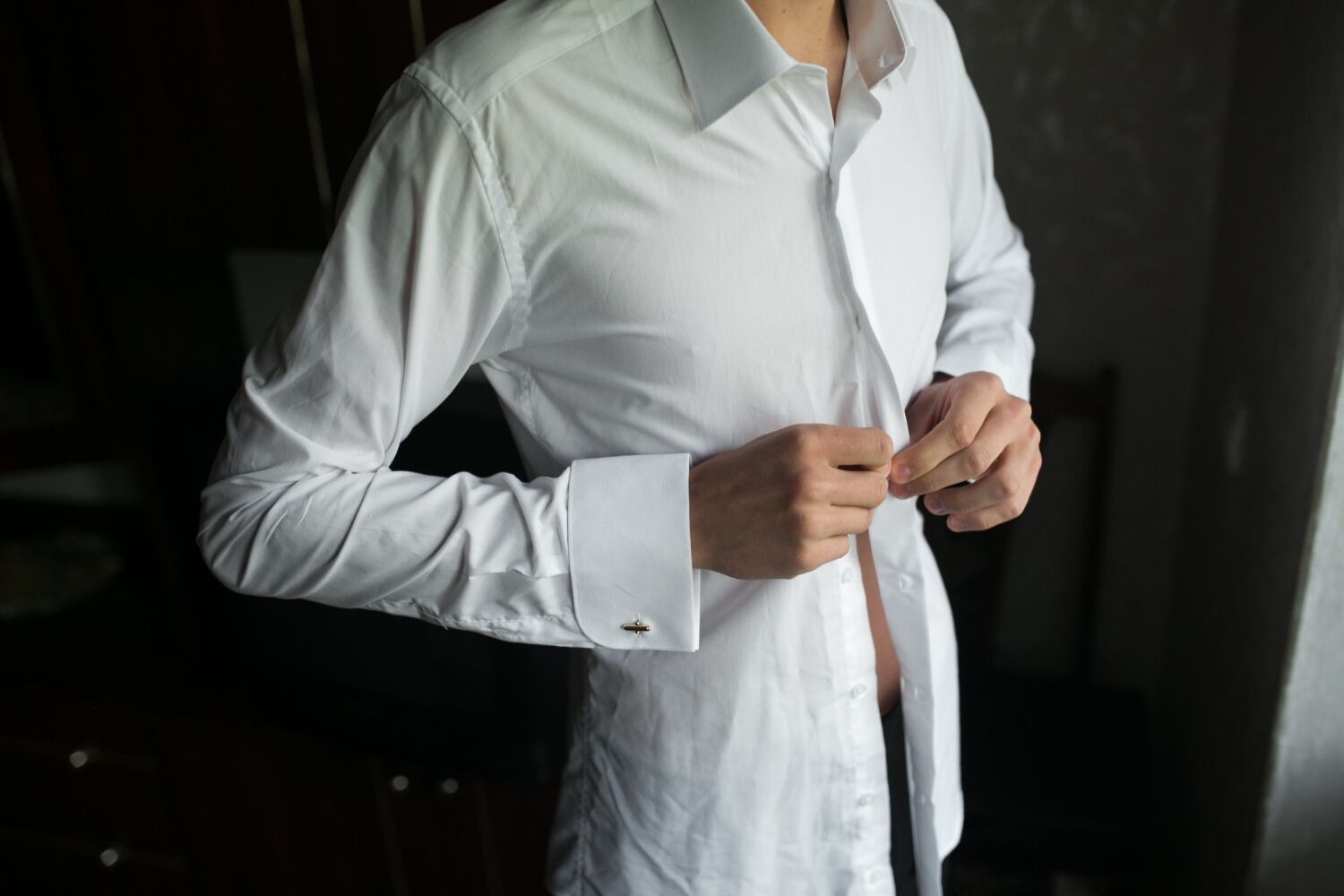
Smart Workwear Choices for Small Melbourne Teams
Branded workwear does more than display a logo. For small Melbourne teams, the right uniforms help customers know who to speak to, build trust, support safety and make the whole crew feel like one unit. When everyone looks consistent, your business feels more organised, even on the busiest days.
July in Melbourne usually means cold mornings, on-and-off rain and staff spending more time in jackets and layers. That is when rushed, last‑minute uniform orders can cause problems such as mismatched colours, odd sizes and pieces that sit in a cupboard unworn. Planning early with a small business uniform supplier in Melbourne gives you time to make clear choices, test samples and avoid stress.
This guide breaks down a simple, step‑by‑step way to plan branded workwear that is practical, easy to manage and suitable for small teams (up to around 50 people).
1. Start with Your Team, Not the Logo
Before choosing colours and decoration, look at who will wear the uniforms and what they do each day. Every role has different needs.
Common Staff Groups to Map Out
• Front-of-house staff greeting customers
• Back-of-house staff in kitchens, workshops or warehouses
• Office staff sitting, meeting and sometimes visiting clients
• On-site or outdoor roles that deal with weather and dirt
• Full-time, casual and seasonal staff who may need different kits
Key Questions About Daily Tasks and Environments
• Is this person mostly in an air-conditioned office, a warehouse or outdoors?
• Do they lift, bend, carry, drive or stay at a desk?
• Are they customer-facing or mostly behind the scenes?
• Do they need hi-vis, PPE-friendly clothing, closed footwear or hair tied back?
Match Tasks to Garment Types
• Base layers and long-sleeve tees for warmth under other pieces
• Polos or shirts for a clean, casual-professional look
• Hoodies and mid-weight fleece for everyday warmth
• Softshell jackets and lined vests for winter mornings and wet commutes
• Caps and beanies for outdoor teams
• Aprons for hospitality or messy work
Template: Team Needs Checklist
Use this simple checklist before you speak with a supplier. It can be turned into a one-page form or spreadsheet that sits alongside staff lists or role descriptions.
Team Needs Checklist (Per Role)
• Role title: __________________________
• Number of staff in this role: _________
• Main tasks (3, 5 bullet points): _________________________________; _________________________________; _________________________________
• Work location (tick all that apply): ☐ Office ☐ Shopfront / retail ☐ Café / hospitality ☐ Warehouse ☐ On-site / outdoor
• Safety requirements: ☐ Hi-vis ☐ PPE-compatible (e.g. fits over harness) ☐ Closed footwear ☐ Hair tied back / headwear ☐ Other: _________________________
• Preferred garment types (e.g. polos, tees, hoodies, jackets, aprons): _________________________________
• Fit and comfort needs (e.g. extra length, more room to move): _________________________________
Bringing this kind of completed checklist to your first chat with a supplier reduces back and forth and makes it easy to plan visuals such as size curves and role-by-role outfit mock-ups.
2. Choose Garments That Actually Get Worn
Uniforms only do their job if people are comfortable wearing them. Staff will avoid items that feel scratchy, tight, see-through or heavy.
Focus on Comfort and Fit
• Inclusive sizing, from smaller through to larger sizes
• Men’s and women’s cuts where helpful
• Adjustable features like drawstrings, elastic cuffs and full zips
For Melbourne weather, breathable cotton blends, mid-weight fleece and weather-resistant outerwear work well. Aim for layers that can move from a cold tram stop to a heated office without becoming sweaty or clingy.
Plan for Durability and Care
• How often garments are washed, especially in hospitality, construction, health and community roles
• Fabrics that hold shape and colour after frequent washing
• Colours that hide stains, like charcoal, navy, black and dark green, with lighter colours used where a crisp, clean look matters
Local Examples
• A Brunswick café that moved from thin tees to cotton-rich polos and aprons saw staff looking tidier at the end of long shifts, with fewer complaints about see-through fabrics.
• A small plumbing crew in the eastern suburbs that switched to a simple layered system (tees plus fleece plus hi-vis or weatherproof jackets) reported better comfort on early winter starts and afternoon call-outs.
Visual Planning: Capsule Uniform for a 10-Person Team
Sketch or lay out sample garments on a table or digital board. A simple starting point:
• 2, 3 everyday tops per person (tees or polos)
• 1 warm layer per person (hoodie or mid-weight fleece)
• 1 outer layer per person (softshell or weatherproof jacket)
• 1 cap or beanie per person for outdoor or on-site work
Seeing all pieces together makes it easier to keep colours and styles consistent and to brief a designer or supplier on where logos will sit in photos or mock-ups.
3. Pick Decoration Methods That Suit Your Brand
Once you know the garments, choose how your branding will appear on them. At Thread Traders we focus on three main decoration methods: embroidery, DTF printing and sublimation. Each suits different jobs.
Decoration Methods Overview
• Embroidery: Classic, textured finish. Ideal for polos, shirts, caps, beanies and jackets. Suits simple logos and text.
• DTF Printing (Direct-to-Film): Great for detailed logos, gradients and small runs. Works on tees, hoodies, jackets and mixed garment types. Useful when you want consistent colour across different fabrics.
• Sublimation: Best for custom sportswear and all-over prints. Ideal for clubs or teams wanting bold colours and patterns.
Questions to Match Method to Use
• Is this heavy-use workwear or a promotional tee for occasional events?
• Do you need a small chest logo, a large back print, sleeve branding or a mix?
• Would a combination work best, such as embroidery on the front and a print on the back?
Artwork Setup Checklist
Your uniform supplier will usually ask for:
• High-resolution logo files (vector formats such as .AI, .EPS or high-res .PDF)
• Clear brand colours (Pantone / CMYK / RGB where possible)
• Brand fonts or font alternatives
• Guidance on logo placement for each garment (e.g. left chest, right sleeve, centre back)
Keep text simple and avoid very fine lines, especially for embroidery. Small lettering that is hard to read on screen will be even harder to read on fabric.
Practical Sustainability in Decoration
If eco-focused choices are important, focus first on:
• Longevity: a logo and garment that hold up to years of wear means fewer reorders and less waste.
• Suitable methods: matching inks and decoration methods to each fabric so prints do not crack or peel early.
• Consolidated runs: planning orders in sensible batches to reduce freight and excess stock.
4. Budgeting, Quantities and Simple Ordering Systems
Planning uniforms for a small team is easier when you split items into clear categories.
Break Items Into Tiers
• Core Kit: the pieces everyone needs for daily work (e.g. tops, warm layers)
• Extras: event tees, promotional items, spare outerwear
Different garments usually sit in different cost ranges. Tees are often the entry point, with polos, shirts, hoodies, jackets and headwear layered on top. It often makes sense to invest more in high-wear pieces like jackets and work hoodies that are used almost every day through winter.
Simple Quantity Guide for Small Teams
• 3, 5 tops per person
• 1, 2 warm layers per person
• 1, 2 headwear items per person if needed
Add a small buffer for new hires, seasonal staff and size swaps. Consider storage space too. There is no need to hold large piles of stock if you have a reliable small business uniform supplier in Melbourne who can top up sizes as needed.
Template: Uniform Matrix
A basic internal ordering system keeps everything under control and is easy to view as a table or spreadsheet.
Uniform Matrix (Example Layout)
Columns: Role | Garment | Colour | Decoration Method | Logo Position | Qty per Person
Example rows:
• Front-of-house | Polo | Navy | Embroidery | Left chest | 3
• Front-of-house | Softshell jacket | Black | Embroidery | Left chest | 1
• Kitchen | Tee | Black | DTF print | Left chest | 4
• Kitchen | Apron | Black | Embroidery | Centre front | 2
Ordering and Stock Control Checklist
• Create or update the uniform matrix for all roles.
• Use a simple size collection form that staff complete when they start, including preferred fits.
• Schedule regular stock checks (e.g. quarterly).
• Set re-order triggers ahead of busy seasons such as spring events or the end-of-year rush.
This kind of simple system reduces last-minute orders and helps your team stay consistent even as people come and go.
5. Work with a Local Maker and Turn Ideas Into a Plan
For small Melbourne teams, working with a local maker keeps the process straightforward and visible.
Benefits of a Local Melbourne Uniform Supplier
• Easier conversations about ideas, fabrics and fit
• Ability to see colours and materials in person
• Sample fittings on real staff before committing to full runs
• Faster tweaks and clearer communication if something needs adjusting
• Support for local jobs and skills, which many businesses and clubs value
What to Bring to Your Supplier Briefing
• Completed Team Needs Checklist for each role
• Current or draft Uniform Matrix
• Branding guidelines, logo files and any reference images or styles you like
• Clear timelines (e.g. “ready before winter,” “in time for our club season”), a rough budget and notes on expected team growth
How Thread Traders Works with Small Melbourne Teams
At Thread Traders in Melbourne, we focus on custom uniforms and branded merchandise produced and decorated locally. For small businesses, clubs and community groups, we typically:
• Start with sampling and fittings before full production.
• Provide guidance on which garments and decoration methods suit your type of work and your branding.
• Look for practical, eco-minded options, such as:
• Durable core pieces that last multiple seasons.
• Refillable or reusable merchandise items rather than single-use giveaways.
• Consolidated orders to reduce excess stock and waste.
Step-by-Step: Turn Ideas Into a Simple Uniform Plan
1. Map roles and work conditions using the Team Needs Checklist.
2. Choose a small, durable core range that can be layered for Melbourne weather.
3. Match decoration methods (embroidery, DTF, sublimation) to each garment and how it will be used.
4. Set a basic budget, decide quantities and build or update your Uniform Matrix.
5. Work with a local maker to test samples, run fittings and refine the final kit before placing your main order.
With some upfront planning and the right local support, your Melbourne team can move into the next season with workwear that is comfortable, consistent and easy for customers to recognise.
Upgrade Your Team’s Look With Custom Uniforms That Work Hard
At Thread Traders, we make it easy to kit out your team with uniforms that look sharp and stand up to daily wear. If you are looking for a reliable small business uniform supplier in Melbourne, we can help you choose fabrics, fits and branding that suit your budget and industry. Share a few details about your team and we will recommend practical options along with clear pricing. Ready to get started or have a quick question about sizing or lead times? Simply contact us and we will walk you through the next steps.
Blog Posts
- Planning Custom Workwear for Seasonal Trades in Melbourne
- Hi-Vis for Small Crews: Repeatable Reorders (SKUs, Sizing, Turnover)
- Visual SOP for Ordering Custom Branded Workwear Online
- Visual Uniform Mockups That Save You From Costly Reprints
- Planning Branded Merchandise for Melbourne School Events
- Hi-Vis Print Placement & Compliance: Logo Size, Tape Rules, Visibility Zones
- Planning Branded Workwear for Small Melbourne Teams
- What Makes a Reliable Company Swag Supplier in Australia
- Planning Bulk Custom Merchandise Orders Without the Stress
- Ordering Custom Polo Shirts with Logos for Aussie Teams
- Checklist for Event Merchandise Printing That Actually Sells
- Workshop Guide to Branded Uniforms for Melbourne Trades
- Visual Checklist for Custom Branded Caps and Hats
- DTF Printing Australia: a Simple Visual Guide for First-Time Orders
- What to Expect From Custom Embroidery in Melbourne
- Designing Branded Tote Bags Australia Clubs Actually Use
- Ordering No-Minimum Custom Printing for Last-Minute Events
- How to Write a Print-Ready Custom T-Shirt Order: Sizes, Specs, Timelines
- Decoding Custom Hoodie Printing for Melbourne Teams
- Visual Brand Guide for Custom T‑shirt Printing in Melbourne
- Custom Promotional Products Melbourne Businesses Actually Use
- Planning Branded Hi-Vis Workwear for Trades Without the Hassle
- Signs Your Branded Uniforms Are Letting Your Team Down
- Choosing Between Screen Printing and DTF for Custom Tees
- Is Eco-Friendly T-Shirt Printing Right for Your Brand
- Love the Planet, Love Your Clothes: The Rise of Eco-Conscious Embroidery in Fashion
- Why Business Owners Love DTF Printing: Sustainable Solutions for Custom Apparel
- Garment Embroidery Services in Melbourne
