

Planning Bulk Custom Merchandise Orders Without the Stress
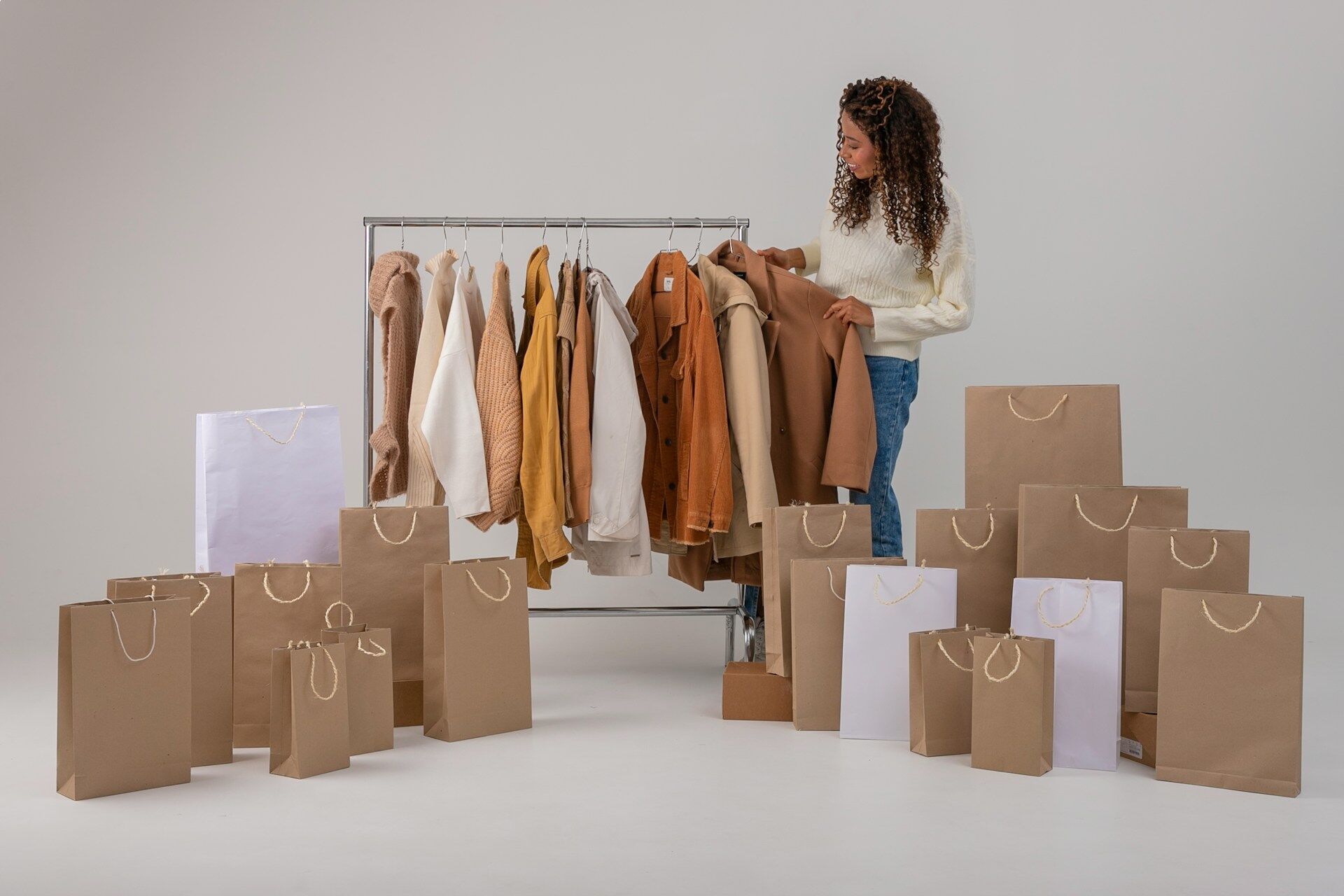
Plan Ahead for Stress-Free Bulk Orders
Planning a bulk custom merchandise order early saves headaches later. When you give yourself time, you get better garment options, smoother artwork approvals, and less risk of last-minute drama. This matters even more before busy times like spring event season, pre-summer launches, or the Christmas rush, when production schedules fill fast.
Bulk can look different for everyone. It might be 50 hi-vis polos for a trade crew, 150 hoodies for a local club, or 300 tees and caps for a café group. The common thread is that you want everything to arrive on time, look consistent, and feel good to wear.
From our base in Melbourne, we work with businesses, clubs, and events across Australia, so we see first-hand how early planning helps with stock availability, artwork tweaks, and realistic lead times. Think in terms of a simple timeline: idea, quote, artwork, approvals, production, delivery. The earlier you start that line, the smoother every step feels.
Suggested visual: Simple horizontal timeline graphic showing the stages: Idea → Quote → Artwork → Approvals → Production → Delivery,
Get Clear on Your Purpose, People, and Budget
Before you pick garments or decoration methods, get clear on why you are ordering in bulk. Your purpose shapes everything else. Common reasons include staff uniforms, promo giveaways, goodie bags, event packs and volunteers, and club merch to sell to members.
That purpose then affects your garment choice (for example, hi-vis versus casual tees), your decoration method (embroidery versus DTF printing versus sublimation), and your target budget per item.
Next, think about who will wear or use the merch. Tradies need durable, practical gear that handles tough days, while office staff often prefer neat, comfortable polos or shirts. Club members want gear they are proud to wear on and off the field, and event attendees may only wear an item a few times, so comfort and print impact matter most.
You will also want to consider sizing ranges and fit choices (unisex, women’s cuts, plus sizes), gender-inclusive options so everyone feels comfortable, and climate and activity (cold Melbourne mornings, hot regional events, indoor or outdoor work).
Then set a realistic budget range. You can think in two ways:
- Per-unit budget, handy for uniforms and repeat orders
- Total project budget, useful for events and campaigns
Where you can save money is usually in keeping things simple and consistent, such as using simpler designs with fewer print locations, choosing one main logo position instead of three or four, and choosing one or two garment colours instead of many. Where you should not cut corners is on fabric quality for uniforms that get heavy wear and safety standards for hi-vis and workwear.
Local example:
- A plumbing business in the northern suburbs of Melbourne came to us with a vague idea of “some shirts and hoodies”. Together we refined it into a clear brief: compliant hi-vis polos for on-site crews, warm hoodies for cold mornings, and caps as giveaway items for local builders. That clarity made quoting and production much easier and meant every new hire could be kitted out quickly.
Suggested visual: Side-by-side comparison of an unclear brief vs a clear brief (simple checklist style),
Choose the Right Garments and Decoration Method
Once you know your purpose and audience, it is time to match garments and decoration methods.
Popular garment types include:
- T-shirts for events, promos, and casual uniforms
- Polos for customer-facing staff and light trades
- Hoodies and jackets for cooler months and outdoor work
- Caps and beanies for brand visibility all year
- Totes and bags for events or retail merch
- Hi-vis workwear for trades and construction
How you expect each item to be used should guide your selection. For example, heavy-duty fabrics make sense for trades that are on-site all day, breathable tees suit festivals and sporting events, and smart polos or jackets are a better fit for front-of-house teams.
Decoration methods in simple terms:
Embroidery
- Long-lasting, premium finish
- Great on polos, caps, jackets, and heavier fabrics
DTF printing
- Suits full-colour, detailed designs
- Ideal for tees and hoodies
Sublimation
- Works well for all-over prints
- Common for sports uniforms where breathability matters
When we help customers choose the right combination, we look at the quantity (small runs vs large national rollouts), design complexity and number of colours, placement needs (chest, back, sleeve, cap front), and longevity (long-term uniforms versus one-off event tees).
Case example:
- A local football club in regional Victoria needed merch for both players and supporters. We used embroidery on caps and polos for a polished look in the clubrooms, and DTF prints on training tees for bright colours and comfort on the field. The logo and colours stayed consistent across all garments, so everything felt like part of the same family.
Suggested visual: Matrix table with garment types down one side and decoration methods across the top, highlighting recommended combinations,
Build a Bulletproof Artwork and Order Brief
A clear brief is the best way to avoid delays and surprises. Your decorator needs the right information upfront, including high-res logos (vector files where possible), brand colours and fonts (with specific colour values if you have them), clear placement instructions (for example, left chest at a set width, back print at a set width), and a list of items, colours, sizes, and quantities per size.
Use this simple order brief template:
1. Project Overview
- Example: “Staff uniforms for all locations” or “Volunteer tees for annual charity fun run”.
2. Garment List
- Style name/code
- Colour
- Quantities per size (XS, 5XL, youth sizes if needed)
3. Decoration Details
- Method for each item (embroidery, DTF, sublimation)
- Placement (e.g. left chest, back, sleeve, cap front)
- Print or embroidery size (e.g. 90 mm wide on left chest)
4. Artwork
- Attach logo files (vector preferred: AI, EPS, PDF)
- Include any colour notes (Pantone or CMYK/RGB if available)
5. Logistics
- Required in-hand date
- Delivery address(es) and any special packing instructions
If your artwork is not print-ready, in-house graphic design support can help with:
- Cleaning up low-res logos
- Creating print-ready files from existing artwork
- Adjusting designs so they sit correctly on caps, polos, hoodies, and more while keeping brand consistency
Local example:
- A Melbourne charity organising a fun run sent us a hand-drawn concept and a low-res logo pulled from an old PDF. Our design team rebuilt the logo, matched the charity’s brand colours, and created clear mock-ups for tees and caps. With a structured brief, they approved everything in a single round and had consistent, on-brand merch ready in time for event week.
Suggested visual: Screenshot-style mock-up of a completed order brief form with callouts highlighting key fields,
Nail Quantities, Sizes, Timing, and Approvals
Getting quantities and sizes right is one of the biggest stress points, especially for large teams and clubs. A practical way to plan is to use past orders or membership data as a guide, check current staff lists and ask managers for size updates, and add a buffer of extra units in the most common sizes like M, L, and XL.
For businesses ordering uniforms, it also helps to plan ahead for new hires who may join during the season, replacement stock for wear and tear, and spare items for events or guests.
Practical size breakdown checklist:
- [ ] List all teams/sites/locations
- [ ] Confirm staff numbers per site
- [ ] Confirm male/female/unisex and inclusive size ranges
- [ ] Decide on buffer quantities and in which sizes
Timing is also key for a bulk custom merchandise order. Lead times can vary based on order size and number of different items, decoration methods, and busy periods like spring events or summer build-up.
Approvals protect your timeline. Important checkpoints include digital mock-ups to confirm logo position and scale, embroidery stitch-outs or samples where needed, and a clear internal process so someone is responsible for sign-off.
Simple internal approval flow:
1. Receive quote and mock-ups from decorator
2. One nominated person reviews details (sizes, colours, placements)
3. Share with key stakeholders if needed
4. Send a single consolidated approval back to decorator
Case example:
- A city festival committee we work with now locks in their size breakdowns and approves final proofs four to six weeks before bump-in. By following a simple approval flow, they have avoided last-minute colour changes and emergency courier costs for three years running.
Suggested visual: Flowchart of the approval process from quote to final delivery,
Make Reorders, Sustainability, and Storage Easier
The best bulk order is one you can repeat without starting from scratch every time. To make reorders simple, keep a central record of garment styles, colours, and size splits, stick with consistent “go-to” items for staff uniforms and club gear, and save decoration details like print size and placement so repeat runs are quick.
Build Practical Sustainability Without Making Things Harder
Building sustainability into bulk ordering is usually most effective when it is practical and tied to how the garments will be used. Pick durable garments that stand up to regular washing and wear (fewer replacements), consider recycled or organic fabrics where they suit your needs and budget, order realistic quantities so you are not left with boxes of unused stock, and standardise on core styles so leftover items can be moved between locations if needed.
It also pays to think ahead about how everything will arrive and be stored. Options like individual bagging and size labelling save sorting time later, packing by team, site, or department helps with fast distribution, and storing merch in a clean, dry, organised space means it is ready when you need it.
Local example:
- A national café group with multiple Melbourne locations standardised on one tee, one apron, and one cap style for all stores. We keep their specs on file, pack orders by store, and include clear size labels on each garment. When they open a new location, they simply request the same pack for the new team, and everything arrives ready to go.
Suggested visual: Photo or mock-up of neatly labelled boxes packed by location, plus a simple "spec sheet" example,
Summary: Your Bulk Order Checklist
Use this quick checklist to plan your next bulk order:
Purpose & People
- [ ] Clear purpose (uniforms, event, retail, promo)
- [ ] Audience and wearers defined
- [ ] Climate and activity considered
- [ ] Inclusive size range decided
Budget
- [ ] Per-unit or total budget confirmed
- [ ] Areas to save identified
- [ ] Non-negotiables for quality and safety set
Garments & Decoration
- [ ] Garment types selected
- [ ] Suitable decoration methods chosen
- [ ] Longevity and comfort considered
Artwork & Brief
- [ ] High-res artwork files ready (or design help requested)
- [ ] Brand colours and fonts provided
- [ ] Placement instructions documented
- [ ] Order brief template completed
Quantities, Timing & Approvals
- [ ] Size breakdown checked and buffers added
- [ ] Lead times confirmed around busy periods
- [ ] Approval process and decision-maker assigned
Reorders, Sustainability & Storage
- [ ] Core styles and specs saved for next time
- [ ] Practical sustainability choices made
- [ ] Packing and storage plan in place
With a clear brief, realistic timelines, and a focus on quality and fit, you can achieve professional, consistent results across every garment in your bulk order, while keeping the process as stress-free as possible for your team.
Get Started With Your Project Today
If you are ready to kit out your team, club or event, we can help you plan a smooth and stress-free bulk custom merchandise order from first idea through to delivery. At Thread Traders, we work closely with you on quantities, timelines and branding so everything lands when you need it. Share a few details about what you have in mind and we will come back with practical options and clear pricing. If you would like tailored advice before you lock anything in, simply contact us and we will talk you through the best approach.
Blog Posts
- Planning Custom Workwear for Seasonal Trades in Melbourne
- Hi-Vis for Small Crews: Repeatable Reorders (SKUs, Sizing, Turnover)
- Visual SOP for Ordering Custom Branded Workwear Online
- Visual Uniform Mockups That Save You From Costly Reprints
- Planning Branded Merchandise for Melbourne School Events
- Hi-Vis Print Placement & Compliance: Logo Size, Tape Rules, Visibility Zones
- Planning Branded Workwear for Small Melbourne Teams
- What Makes a Reliable Company Swag Supplier in Australia
- Planning Bulk Custom Merchandise Orders Without the Stress
- Ordering Custom Polo Shirts with Logos for Aussie Teams
- Checklist for Event Merchandise Printing That Actually Sells
- Workshop Guide to Branded Uniforms for Melbourne Trades
- Visual Checklist for Custom Branded Caps and Hats
- DTF Printing Australia: a Simple Visual Guide for First-Time Orders
- What to Expect From Custom Embroidery in Melbourne
- Designing Branded Tote Bags Australia Clubs Actually Use
- Ordering No-Minimum Custom Printing for Last-Minute Events
- How to Write a Print-Ready Custom T-Shirt Order: Sizes, Specs, Timelines
- Decoding Custom Hoodie Printing for Melbourne Teams
- Visual Brand Guide for Custom T‑shirt Printing in Melbourne
- Custom Promotional Products Melbourne Businesses Actually Use
- Planning Branded Hi-Vis Workwear for Trades Without the Hassle
- Signs Your Branded Uniforms Are Letting Your Team Down
- Choosing Between Screen Printing and DTF for Custom Tees
- Is Eco-Friendly T-Shirt Printing Right for Your Brand
- Love the Planet, Love Your Clothes: The Rise of Eco-Conscious Embroidery in Fashion
- Why Business Owners Love DTF Printing: Sustainable Solutions for Custom Apparel
- Garment Embroidery Services in Melbourne
- Hi-Vis Printing for Small Crews: Budget & MOQ Playbook for Small Runs
- Choosing Branded Uniforms for Melbourne’s Mixed-Weather Workdays
- Uniform Waste Audit: Track Returns, Alterations, and Write
